
The autumn equinox marks a profound moment in the cosmic calendar. It is the day when light and darkness stand in perfect balance, a sacred pause before the scales tip toward longer nights. While many embrace this time with comforting rituals like warm layers and hearty foods, for others, the onset of autumn can feel like a genuine challenge. This is especially true as the light and warmth of the season begin to fade.
While you may have read about the spiritual aspects of the equinox, I wanted to explore something deeper: the tangible connection between our wellbeing and the changing seasons. The truth is, most of us want to understand the simple biology behind what we are feeling. By exploring how this transition affects us we can use the wisdom of yoga as a practical tool to navigate the coming season and nurture our health. The equinox is a major zeitgeber, or ‘time giver’ that signals a significant change for us both mentally and physically. By understanding how this transition from light to dark affects us, we can better use our yoga practice as a practical tool to navigate the coming season and nurture our wellbeing.
The Equinox: More Than Just a Date
Put very simply, the autumn equinox is the precise moment the Sun’s path crosses the Earth’s equator. For a brief period on this day, the Earth’s tilt is neutral, which is why we get nearly equal amounts of daylight and darkness all over the globe. It marks the official start of autumn and is nature’s signal that the days will now begin to get shorter. This year, in the northern hemisphere it will happen at around 19:20 BST, Monday 22 September 2025.
The Biology of the Shift: Light, Hormones, and Mood
The most direct and scientifically documented effect of the equinox is on our circadian rhythm. Our internal body clock is precisely tuned to the 24 hour cycle of light and dark. As the days grow shorter, the decreasing amount of light we receive triggers a cascade of hormonal responses.
This change in light exposure directly impacts the pineal gland in the brain, the master regulator of our sleep – wake cycle. Signals from our eyes, indicating less daylight, trigger hormonal changes:
- Less Serotonin: Reduced sunlight signals the brain to produce less serotonin, the feel good neurotransmitter associated with wakefulness, mood, and appetite.
- More Melatonin: With longer periods of darkness, the brain produces more melatonin, the hormone that signals the body it’s time to sleep.
This hormonal shift is why many people experience feelings of fatigue, low energy, and irritability, often referred to as the winter blues or Seasonal Affective Disorder (SAD). The equinox isn’t the cause of these feelings, but the trigger that sets the entire process in motion. It impacts:
- Sleep Quality: Increased melatonin and disrupted circadian rhythms can make it harder to fall asleep and wake up feeling refreshed.
- Mood and Energy: The drop in serotonin is a key factor behind feelings of low energy and irritability.
- Mental Health: Over time these physiological changes can negatively impact a person’s mental health leading to decreased motivation and an increased risk of depression.
The Mind Body Link: Balancing Your Inner Sun and Moon with Science and Yoga

Yoga offers a powerful way to work with these changes. In yogic philosophy, we talk about two main life forces: the active Ha (sun energy) and the calm Tha (moon energy).
Science has a name for these same forces: they’re part of your autonomic nervous system.
- Your Ha energy is like your Sympathetic Nervous System – your body’s go button that makes you alert and ready for action.
- Your Tha energy is like your Parasympathetic Nervous System – your body’s slow down button that helps you rest, digest, and heal.
When your ‘go’ button is stuck on from stress, you may feel anxious and restless. Conversely, when your ‘slow down’ button is underactive, you can feel sluggish and unmotivated.
The equinox is a natural nudge to shift your energy. As the light of the suns grow weaker and fades it is a perfect time to focus less on doing and more on being, helping you find balance.
Practical Steps to Embrace the Change
So, how do you put this into practice? It’s simpler than you might think. You just need to listen to your body and work with the season. Yoga offers accessible, scientifically backed tools to help you rebalance your autonomic nervous system and manage the seasonal shift.
Opt for gentle, restorative, or Yin yoga. These styles involve longer, passive holds in supported postures, allowing your body to fully relax. The science behind this is that these practices are highly effective at activating the parasympathetic nervous system, your body’s rest and digest mode. They do this by stimulating the vagus nerve, a key nerve that runs from your brain to your gut and is responsible for regulating your body’s relaxation response. By doing this, you promote a state of calm, reduce stress hormones like cortisol and improve your body’s ability to adapt to stress, all of which contribute to your overall wellbeing.
Your In Built Reset Button
The simplest way to shift your state is through your breath. You don’t need any complex techniques to start.
Try the ‘Sigh of Relief’: Take a deep breath in through your nose, filling your lungs completely. Then, let out a long, audible sigh through your mouth. Do this just three times. This simple, natural act stimulates your parasympathetic nervous system, instantly releasing tension and signaling to your body that it’s okay to relax.
For those ready to go a step deeper, the foundational yogic practice of Nadi Shodhana (Alternate Nostril Breathing) is a fantastic tool. It is specifically designed to balance the solar (active) and lunar (calm) energies within you, helping to lower heart rate, calm the nervous system, and improve focus.
Shift to Mindful Movement
Instead of vigorous yoga flows, opt for a more introspective, cooling practice. This could be a gentle flow focusing on fluid, circular movements or a series of slow, grounded postures. This type of practice compliments the natural energy of autumn, which is about slowing down and turning inward.
In my own classes, I often incorporate this by starting with gentle head rolls to ease tension from the neck and shoulders. We then move into a gentle cat cow, guiding the spine in a circular direction to release stiffness. The science shows that these slower, mindful movements help regulate blood sugar levels and promote a sense of wellbeing without overstimulating the nervous system.

Other forms of gentle movement for this time of year could include mindful walking. As you walk, consciously notice the colours of the leaves or the feel of the cool air on your skin. This is a perfect opportunity to get outside and ground yourself in the present moment and a key way to absorb daylight, which is a major zeitgeber (or time giver) for your circadian rhythm. By getting this light exposure, you help to naturally reset your body’s internal clock for the seasonal shift, making the transition to shorter days smoother.
Conscious Downtime
As daylight recedes, consciously schedule more time for quiet activities. This could be reading, journaling, gentle meditation, or simply sitting in contemplation. Think of it as an extended Savasana off the mat, a deliberate period of rest and non doing. The science supports this by showing that deliberate downtime reduces brain fatigue allowing your mind to process information and sort through the experiences of the day. This helps your body naturally shift toward the production of melatonin which supports restful sleep.
Fueling Your Body for the Transition
The shift to autumn is also a signal to change how you fuel your body. Just as we layer on warmer clothes, our diet can help us find comfort and sustained energy during this transition. From a scientific perspective, our bodies instinctively seek out calorie dense foods to generate heat through a process called thermogenesis, a natural way to help regulate our body temperature as the weather gets colder. Think of it as eating with the season, using what’s readily available and at its best.
Eat with the Harvest
As an alternative to cold salads and smoothies, opt for nourishing broths and hearty stews. Look for incredible local produce available now, like earthy celeriac and parsnips to build the base of a warming soup or crisp Bramley apples for a warm crumble.
Use Warming Spices
To add comfort to your meals, reach for warming spices like cinnamon, ginger, and nutmeg. A pinch of ground ginger in a carrot soup or a sprinkle of nutmeg on roasted squash can transform a simple meal. These spices not only add great flavour but also contribute to thermogenesis, the body’s natural heat-generating process. In fact, studies show that compounds in spices like ginger and capsaicin (found in chili peppers) can directly trigger this effect, providing a deep sense of warmth from the inside out and helping to ground your body for the season ahead.

Stay Hydrated with Warm Drinks
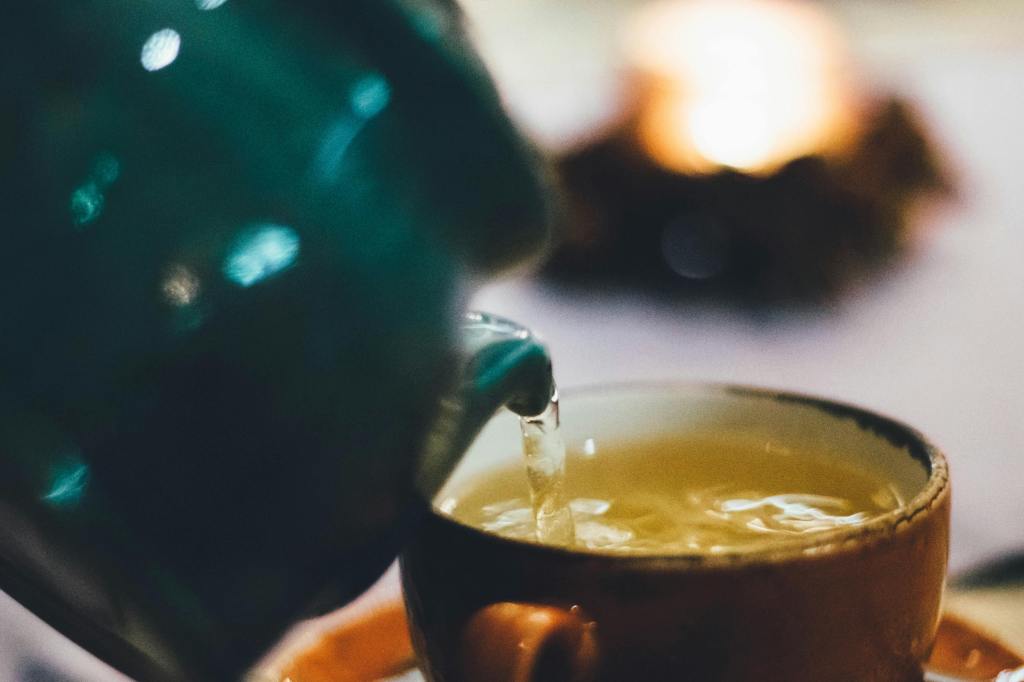
The cooler, drier air can still lead to dehydration. In cold weather, our thirst response is often less active, and we may not notice a drop in hydration. However, even a 1% decrease in your body’s water content can lead to significant side effects like fatigue, brain fog, and irritability, symptoms often mistaken for the winter blues. Instead of just drinking cold water, try sipping on warm herbal teas or a soothing lemon and ginger brew. This helps to keep your body hydrated and supports your natural functions without a sudden temperature shock.
Ultimately, the autumn equinox isn’t just a date on the calendar – it is a powerful reminder that our wellbeing is deeply tied to the natural world. Instead of dreading the seasonal shift, we can use the wisdom of yoga and an understanding of the simple biology behind the change to find a smoother transition. The invitation is clear: as nature turns inward, so can we. Why not start today?
Find your inner strength: body, mind, spirit.
Disclaimer: The information in this post is for educational purposes only and is not a substitute for professional medical advice. Always consult a healthcare professional before making changes to your health routine.
 Claire Fratson Yoga Warriors
Leave a comment